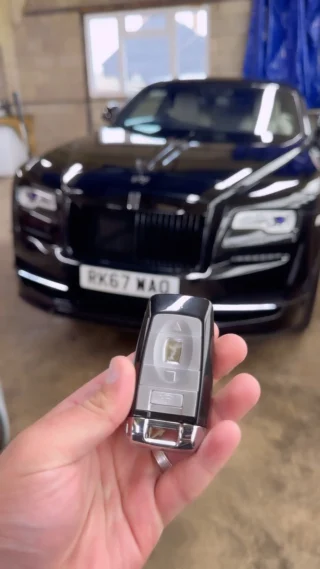
Vehicle Lock Repairs: Ensuring Safety and Security
In a world where vehicle theft and burglaries prevail, guaranteeing that a vehicle's locking system is working smoothly is essential for both safety and security. Vehicle lock repairs encompass a series of fixes and maintenance procedures that address problems associated to locks and ignition systems. car key locksmith near me offers an overview of the kinds of vehicle lock problems, indications of breakdown, repair options, and preventative measures while likewise answering some frequently asked questions.
Understanding Vehicle Lock Mechanisms
Vehicle locks utilize numerous mechanisms that differ among makes and designs. The primary elements of a vehicle lock system generally consist of:
- Key Cylinder: The part where the key is inserted.
- Locking Bolt: Engages and protects the door when locked.
- Lock Assembly: Holds the door closed but can be disengaged when opening.
- Ignition Lock: Secures the ignition system of the vehicle.
Each of these components can be vulnerable to use and tear or unexpected failure, resulting in lock-related problems.
| Part | Description | Typical Issues |
|---|---|---|
| Key Cylinder | Accepts the key to operate the lock | Key jams, difficulty turning the key |
| Locking Bolt | Mechanism that secures the door when locked | Bolt misalignment, stuck bolt |
| Lock Assembly | Engages and disengages to secure the door | Broken lock, inappropriate function |
| Ignition Lock | Secures the ignition to start the vehicle | Key will not turn, ignition failure |
Signs of Lock Malfunction
Vehicle owners must be vigilant for signs that their lock systems may be failing. Some common signs of lock problems consist of:
- Difficulty Inserting Key: If the key does not easily suit the cylinder, there may be particles inside or use taking place within the cylinder.
- Stuck Key: A key that gets stuck while turning can indicate internal damage or misalignment.
- Locked Door Will Not Unlock: If a door declines to unlock, it might be due to a malfunctioning locking bolt or latch.
- Unusual Noises: Grinding or clicking sounds while attempting to lock or unlock the door can indicate structural problems in the locking mechanism.
- Faulty Remote: If the key fob is not reacting, the problem might lie not just with the fob's battery however could also point towards concerns in the lock receiver in the vehicle.
Fixing Vehicle Locks
Dealing with a vehicle lock issue can be complex, and while some repairs can be tackled at home, others may need professional support.
Do it yourself Repairs
Some minor lock issues can be repaired without the assistance of a mechanic. Here are a couple of examples:
- Lubrication: Regularly use a silicone-based lube to key cylinders and locks to avoid sticking.
- Clean the Key: Dirt on the key can cause jamming in the key cylinder. Tidy keys with rubbing alcohol to remove dirt or residue.
- Inspect the Battery in the Remote: For remote key fobs, validate that the battery is functional by checking it with another vehicle or having it changed.
Expert Repairs
For more significant problems, expert repairs might be essential. Typical expert services include:
- Key Replacement: If the key is lost or harmed, a locksmith can create a new key or rekey the lock.
- Reprogramming Key Fobs: Sometimes the remote requirements to be reprogrammed to sync with the vehicle's receiver.
- Comprehensive Lock Replacement: In extreme cases, whole locking mechanisms may need replacement due to damage or use.
Preventative Measures
To extend the life-span of vehicle locks and prevent problems, think about the following preventative measures:
- Regular Maintenance: Periodic inspection and lubrication of locks can prevent future breakdowns.
- Prevent Excessive Force: Handling keys and doors carefully can decrease use on locking systems.
- Immediately Address Issues: If issues emerge, resolving them quickly can avoid more damage and more expensive repairs.
Regularly Asked Questions
Q: How do I understand if my vehicle lock requires repair?A: Look for signs such as trouble inserting the key, unusual sounds, or the door failing to lock or unlock. Q: Can I repair a stuck lock myself?A: Simple issues such as lubrication might
be solved in your home; however, complicated problems typically require specialists. Q: How much does it cost to repair a vehicle lock?A: Costs can differ widely based upon the problem and vehicle type. auto key technician might begin around ₤ 50, whereas lock replacements can cost numerous hundred dollars. Q: What must I do if I lose my car key?A: Contact a locksmith or your car dealership for a replacement key. They might require your vehicle recognition number (VIN )to create a brand-new key. Q: Are aftermarket keys as trustworthy as initial keys?A: Aftermarket keys can be less trusted than OEM keys, as they may not stick to the same requirements and quality requirements.
Preserving the stability of a vehicle's lock system is
vital for total security and safety. By acknowledging the signs of a breakdown, performing suitable repairs, and implementing preventative measures, vehicle owners can avoid the hassle and possible risks associated with lock concerns. Making sure that locks function correctly improves not just the vehicle's safety but also the assurance of its owner.